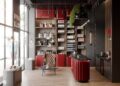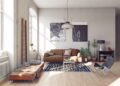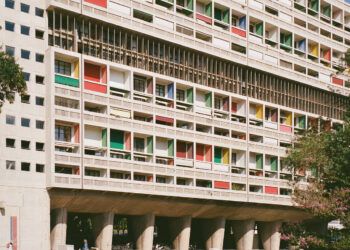

Urban interiors set the stage for this enthralling narrative, offering readers a glimpse into a story that is rich in detail and brimming with originality from the outset. As we delve into the world of urban interior design, we uncover the unique characteristics, elements, and color schemes that define this modern architectural approach.
Throughout this exploration, we will discover how urban interiors embrace industrial elements, incorporate minimalist design principles, and maximize space through strategic layout strategies. Join us on this journey through the urban aesthetic that combines functionality with style.
Introduction to Urban Interiors
Urban interiors refer to the design and decoration of interior spaces in urban environments, reflecting the modern and contemporary lifestyle of city dwellers. These spaces are characterized by a mix of industrial, minimalist, and sleek elements that create a sophisticated and cosmopolitan atmosphere.
Characteristics of Urban Interior Design
- Utilization of raw materials such as exposed brick, concrete, and metal to create an industrial look.
- Open floor plans that maximize space and promote a sense of airiness and freedom.
- Integration of modern technology and smart home features to enhance convenience and efficiency.
- Incorporation of clean lines, geometric shapes, and monochromatic color palettes for a minimalist aesthetic.
- Emphasis on sustainability and eco-friendly practices to align with contemporary values.
Importance of Urban Interiors in Modern Architecture
Urban interiors play a crucial role in modern architecture by adapting to the needs and preferences of urban residents. They contribute to the overall aesthetic appeal of urban spaces and enhance the quality of life for individuals living in cities.
By combining functionality with style, urban interiors create harmonious living environments that cater to the fast-paced and dynamic lifestyle of urban dwellers.
Elements of Urban Interior Design
Urban interior design typically incorporates a mix of industrial elements and minimalist aesthetics to create a modern and chic living space.
Industrial Elements in Urban Interiors
Industrial elements such as exposed brick walls, concrete floors, metal fixtures, and reclaimed wood accents are commonly found in urban interior design. These elements add a raw and edgy feel to the space, giving it a sense of urban charm and character.
Minimalism in Urban Interior Design
Minimalism plays a crucial role in urban interior design by focusing on clean lines, simple forms, and a clutter-free environment. Minimalist furniture, neutral color palettes, and sleek finishes are often used to create a sense of openness and simplicity in urban spaces.
Color Schemes and Materials
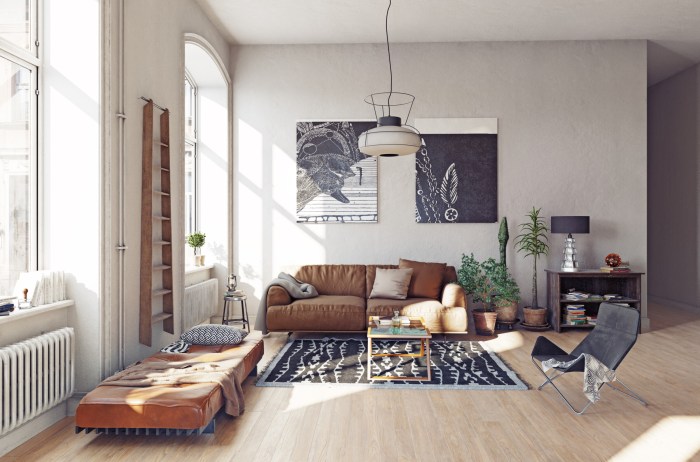
When it comes to urban interiors, color schemes and materials play a pivotal role in creating the desired aesthetic. Let's delve into the common color schemes, materials, and textures used in urban interior design.
Common Color Schemes in Urban Interiors
In urban interior design, color schemes are often inspired by the surrounding cityscape. Common color schemes include:
- Monochromatic: Utilizing varying shades of a single color to create a cohesive and modern look.
- Neutral with Pops of Color: Incorporating neutral tones like grey, white, or black as a base, with vibrant pops of color for visual interest.
- Industrial Palette: Embracing industrial elements by using colors like grey, steel blue, and rust to mimic urban landscapes.
Materials in Urban Interior Design
Materials used in urban interior design often reflect an industrial or modern aesthetic. Common materials include:
- Concrete: A staple in urban design, concrete is used for flooring, countertops, and accent walls.
- Metal: Incorporating metal elements like steel, iron, or copper adds an industrial edge to urban interiors.
- Reclaimed Wood: Using reclaimed wood for furniture and decor brings warmth and character to urban spaces.
Role of Textures in Urban Spaces
Textures play a crucial role in creating depth and visual interest in urban-inspired spaces. By combining materials with different textures, such as rough concrete with soft textiles or smooth metal with distressed wood, designers can add layers of complexity to the design.
Furniture and Layout
Urban interior design often utilizes specific types of furniture and layout strategies to maximize space and functionality in smaller living areas. Let's explore the common furniture pieces and layout techniques used in urban interiors.
Types of Furniture
- Sleek and modern furniture: Urban interiors often feature furniture with clean lines and a modern aesthetic to create a minimalist look.
- Modular furniture: Pieces that can be easily rearranged or adjusted to fit different spaces are popular in urban settings to maximize versatility.
- Multipurpose furniture: Items like sofa beds, storage ottomans, and folding tables serve dual functions to save space and increase functionality.
- Industrial-style furniture: Raw materials like metal, wood, and concrete are commonly used in urban interiors to add an edgy, industrial vibe.
Layout Strategies
- Open concept layouts: Removing walls and barriers between rooms creates a sense of spaciousness and allows for better flow of natural light.
- Vertical storage solutions: Utilizing wall shelves, hanging racks, and tall cabinets helps maximize storage space without cluttering the floor.
- Zoning areas: Using area rugs, furniture placement, and decorative screens to define different zones within a single space for various activities.
- Mirrors and reflective surfaces: Placing mirrors strategically can create the illusion of a larger space and reflect light to brighten up the room.
Multifunctional Furniture
In urban interiors, multifunctional furniture plays a crucial role in optimizing space efficiency. These pieces are designed to serve multiple purposes without compromising on style or comfort. Examples include:
- Convertible sofa beds that can be used as seating during the day and transformed into a bed at night.
- Coffee tables with hidden storage compartments to keep everyday items out of sight and maintain a clutter-free environment.
- Dining tables that extend or fold down to accommodate varying numbers of guests while saving space when not in use.
- Murphy beds that can be folded up into the wall to free up floor space when not needed, ideal for studio apartments or small bedrooms.
Lighting and Decor
When it comes to urban interior design, lighting plays a crucial role in setting the mood and enhancing the overall aesthetic of a space. Proper lighting can create a sense of warmth, highlight key design elements, and even make a small space feel larger.
Additionally, decor items are essential in adding personality and style to urban interiors, tying the design together and creating a cohesive look.
Importance of Lighting in Urban Interior Design
Lighting is a key element in urban interior design as it not only illuminates the space but also sets the ambiance. Different types of lighting fixtures can be used to create different moods and highlight specific areas or features within a room.
For example, pendant lights over a dining table can create a focal point, while recessed lighting can provide a modern and sleek look.
Examples of Lighting Fixtures for Urban Spaces
- Industrial-style pendant lights: These fixtures are perfect for adding a touch of urban flair to a space, especially in loft-style apartments or industrial-inspired interiors.
- Track lighting: Ideal for highlighting artwork or architectural details, track lighting is versatile and can be adjusted to suit different needs.
- Edison bulbs: These vintage-style bulbs add a nostalgic charm to urban interiors and work well in exposed bulb fixtures for a raw and industrial look.
Enhancing the Urban Aesthetic with Decor Items
Decor items such as wall art, throw pillows, rugs, and plants can all contribute to enhancing the urban aesthetic of interiors. Mixing materials like metal, wood, and concrete can add texture and visual interest, while incorporating pops of color through decor items can liven up a space and make it feel more inviting.
Additionally, choosing decor pieces that reflect the urban surroundings or history of the area can add a sense of authenticity to the design.
Last Point
In conclusion, urban interiors present a harmonious blend of functionality and aesthetics, creating spaces that are not only visually appealing but also highly practical. By understanding the key elements, color schemes, and furniture layouts of urban design, one can transform any space into a modern urban oasis.
Dive into the world of urban interiors and discover the endless possibilities for creating stylish and contemporary living environments.
Essential Questionnaire
What defines urban interiors?
Urban interiors typically feature a blend of industrial elements, minimalist design principles, and strategic layout strategies to maximize space in urban settings.
How important is lighting in urban interior design?
Lighting plays a crucial role in urban interiors, enhancing the overall ambiance and functionality of the space. Selecting the right lighting fixtures can complement the urban aesthetic and contribute to a well-designed environment.
What are common materials used in urban interior design?
Materials such as exposed brick, concrete, steel, and reclaimed wood are often used in urban interior design to create an industrial yet contemporary look. These materials add texture and character to urban-inspired spaces.