
Embark on a journey into the world of real estate agent websites, exploring the key elements that contribute to their success. From design strategies to content creation, this guide covers it all in a comprehensive yet digestible way.
Delve deeper into the realm of real estate agent websites and unlock the secrets to enhancing your online presence in the competitive market.
Importance of a Real Estate Agent Website
In today's digital age, having a professional website is essential for real estate agents to establish a strong online presence and stand out in a competitive market. A well-designed website not only serves as a digital storefront but also offers a platform to showcase listings, provide valuable information to potential clients, and build credibility in the industry.
Benefits of a Professional Website in Real Estate
- Increased Visibility: A website allows real estate agents to reach a larger audience beyond their local area, attracting potential buyers and sellers from different regions.
- 24/7 Availability: Unlike traditional office hours, a website is accessible round the clock, enabling clients to browse listings, learn about services, and contact the agent at their convenience.
- Showcase Listings: Agents can display their properties with high-quality images, detailed descriptions, virtual tours, and interactive maps, providing a comprehensive view for interested buyers.
- Build Trust and Credibility: A professionally designed website conveys expertise and professionalism, instilling confidence in clients and setting the agent apart as a trusted advisor in the real estate market.
- Lead Generation: Through contact forms, newsletters, and blog posts, a website can capture leads and nurture relationships with potential clients, leading to increased business opportunities.
Design Elements for Real Estate Agent Websites
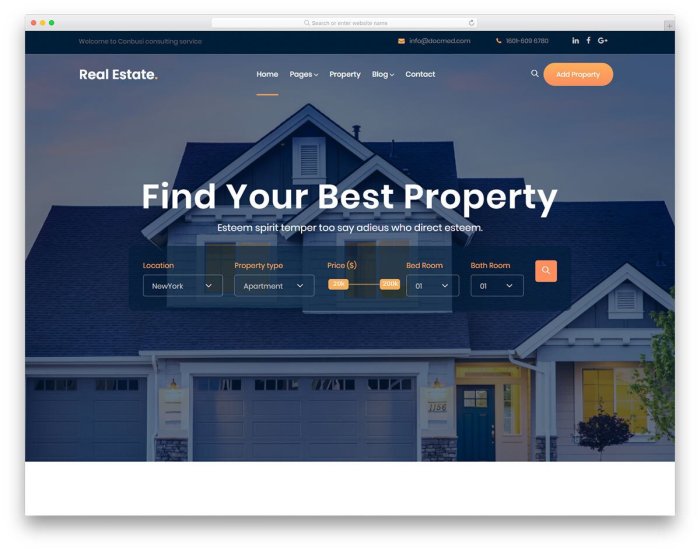
When it comes to designing a real estate agent website, there are several key elements that play a crucial role in attracting potential clients and providing a seamless user experience. From high-quality images and videos to clear navigation and intuitive layout, each design element contributes to the overall success of the website.
High-Quality Images and Videos
Utilizing high-quality images and videos on a real estate agent website is essential for capturing the attention of visitors and showcasing properties effectively. These visual elements allow potential buyers to get a realistic view of the properties, helping them make informed decisions.
Professional photography and videography can significantly enhance the appeal of the listings and create a lasting impression on visitors.
Clear Navigation and Intuitive Layout
Having clear navigation and an intuitive layout is crucial for ensuring a positive user experience on a real estate agent website. Visitors should be able to easily find the information they are looking for, whether it's property listings, contact details, or other relevant content.
A well-organized layout with intuitive navigation menus can help users navigate the website effortlessly, leading to increased engagement and conversions.
Content Strategy for Real Estate Agent Websites
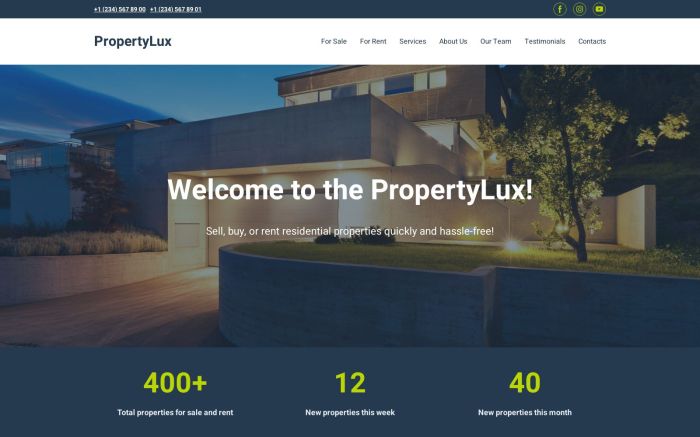
Creating engaging content for a real estate agent website is crucial for attracting and retaining potential clients. Here are some tips to help you develop a successful content strategy:
Importance of Property Listings and Descriptions
Property listings and descriptions play a vital role in showcasing the available properties to potential buyers. Here are some key points to consider when creating property listings and descriptions:
- Provide detailed information: Include essential details such as property size, number of bedrooms and bathrooms, location, amenities, and any unique selling points.
- Use high-quality images: Visual content is essential in real estate listings. Make sure to include clear and professional photos of the property to give prospective buyers a better idea of what to expect.
- Highlight key features: Emphasize the most attractive features of the property to capture the interest of potential buyers.
- Write compelling descriptions: Use descriptive language to paint a picture of the property and create an emotional connection with the reader.
Incorporating Client Testimonials Effectively
Client testimonials are powerful tools for building credibility and trust with potential clients. Here's how you can effectively incorporate client testimonials on your real estate agent website:
- Showcase testimonials prominently: Display client testimonials on your homepage or dedicated testimonial page to make them easily accessible to visitors.
- Include specific details: Use testimonials that highlight specific experiences or results that clients have had while working with you.
- Add visuals: Consider including photos or videos of satisfied clients alongside their testimonials to add authenticity and personalization.
- Update regularly: Keep your testimonials current by periodically adding new feedback from satisfied clients to demonstrate ongoing positive experiences.
Best Practices for Real Estate Agent Websites
Search Engine Optimization () plays a crucial role in enhancing the online visibility and ranking of real estate agent websites. By implementing effective strategies, real estate agents can attract more organic traffic, generate leads, and ultimately increase their business success.
Optimizing Website Content
To optimize website content for search engines, real estate agents should focus on the following strategies:
- Utilize relevant s: Conduct research to identify popular search terms related to real estate in your area. Incorporate these s naturally throughout your website content.
- Create high-quality content: Produce informative and engaging content that provides value to your audience. This can include blog posts, property descriptions, and neighborhood guides.
- Optimize meta tags: Write compelling meta titles and descriptions that accurately reflect the content of each page on your website. This helps search engines understand the relevance of your site.
- Improve site speed: Ensure your website loads quickly on both desktop and mobile devices. Site speed is a crucial factor in rankings.
- Optimize images: Use descriptive file names and alt text for images on your website. This helps search engines understand the context of your images.
Local for Real Estate Agents
Local is especially important for real estate agents as they target specific geographic areas. To improve local , agents should:
- Create a Google My Business profile: Claiming and optimizing your Google My Business listing can help you appear in local search results and Google Maps.
- Include location-specific s: Incorporate s that reference your target area throughout your website content, meta tags, and image alt text.
- Obtain local backlinks: Build relationships with local businesses and organizations to earn backlinks from reputable websites in your community.
- Encourage online reviews: Positive reviews from satisfied clients can boost your credibility and visibility in local search results.
- Optimize for mobile: Ensure your website is mobile-friendly to cater to users searching for real estate on their smartphones or tablets.
Lead Generation on Real Estate Agent Websites
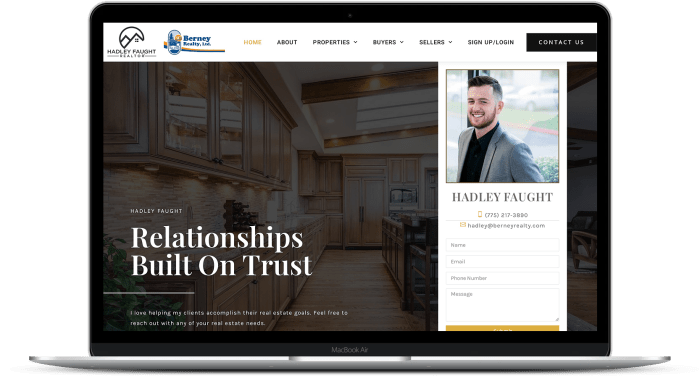
Generating leads through a real estate agent website is crucial for business growth. By implementing effective strategies, agents can attract potential clients and convert them into actual customers. One of the key components of lead generation is the use of contact forms and call-to-action buttons on the website to capture visitor information and inquiries.
Utilizing Contact Forms and Call-to-Action Buttons
Contact forms play a vital role in lead generation as they allow visitors to submit their details and queries directly to the agent. By strategically placing contact forms throughout the website, agents can encourage visitors to reach out and express their interest in properties or services.
Call-to-action buttons, such as "Schedule a Viewing" or "Request More Information," prompt visitors to take action and engage with the agent.
- Place contact forms prominently on the homepage and property listings pages to capture leads effectively.
- Create compelling call-to-action buttons with clear messaging to entice visitors to click and inquire further.
- Optimize contact forms for mobile devices to ensure a seamless user experience across all platforms.
Importance of Follow-up Strategies
Obtaining leads through the website is just the first step in the lead generation process. It is essential for real estate agents to have robust follow-up strategies in place to nurture leads and guide them through the conversion journey. Promptly responding to inquiries, providing relevant information, and maintaining regular communication with leads can significantly increase the chances of converting them into clients.
- Set up automated email campaigns to follow up with leads and provide them with valuable content and updates.
- Personalize follow-up messages based on the lead's interests and preferences to establish a stronger connection.
- Track and analyze lead interactions on the website to identify patterns and optimize follow-up strategies for better results.
Ending Remarks
In conclusion, mastering the art of real estate agent websites can open doors to endless opportunities for growth and success in the industry. Implement the strategies Artikeld in this guide to elevate your online presence and attract more clients effortlessly.
Helpful Answers
How crucial is it for real estate agents to have a website?
Having a website is essential for real estate agents as it serves as a powerful tool to showcase listings, attract clients, and establish credibility in the digital age.
What are some key design elements necessary for a real estate agent website?
Key design elements include high-quality images, clear navigation, intuitive layout, and engaging videos that enhance user experience and showcase properties effectively.
Why is important for real estate agent websites?
helps real estate websites rank higher on search engines, driving organic traffic and increasing visibility to potential clients actively searching for properties.
How can real estate agents effectively generate leads through their website?
Real estate agents can generate leads by utilizing contact forms, call-to-action buttons, and implementing effective follow-up strategies to convert website visitors into potential clients.