
Delving into the world of vinyl siding installation costs per square foot, this paragraph sets the stage for an informative journey that uncovers the intricacies and considerations involved in this process.
The subsequent paragraphs will offer a detailed exploration of the factors, average costs, installation process, labor expenses, and additional considerations related to vinyl siding installation costs.
Factors influencing the cost of vinyl siding installation
When it comes to determining the cost of vinyl siding installation per square foot, there are several key factors that can influence the overall price. Understanding these factors is essential for homeowners looking to budget for this type of home improvement project.
Quality of Vinyl Siding
The quality of the vinyl siding you choose can have a significant impact on the cost of installation. Higher-quality materials will generally come at a higher price point, but they often offer better durability and aesthetics. For example, premium-grade vinyl siding with enhanced durability and resistance to fading will cost more per square foot compared to standard-grade options.
Size of the Project
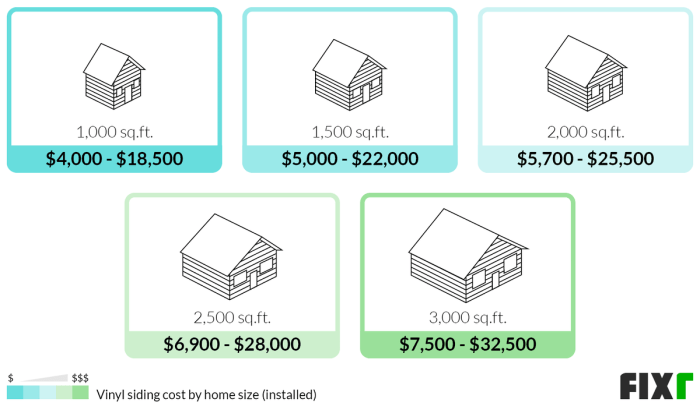
The size of the project, in terms of the total square footage of the home or building, will also influence the cost of vinyl siding installation. Larger projects will naturally require more materials and labor, leading to a higher overall cost.
Conversely, smaller projects may be more cost-effective in terms of the price per square foot.
Labor Costs
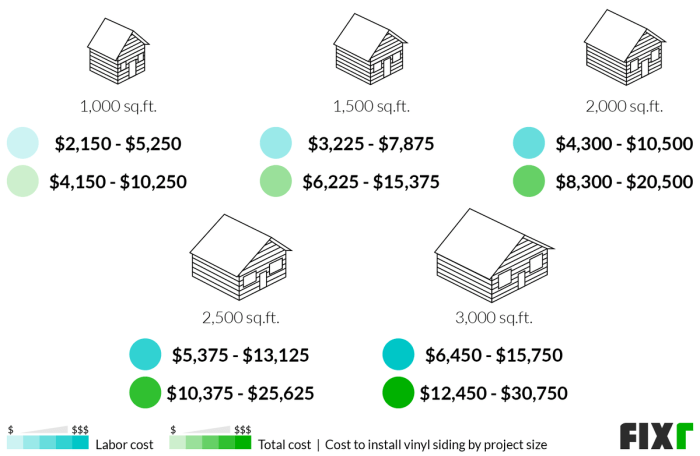
Labor costs play a crucial role in determining the overall cost of vinyl siding installation. Factors such as the complexity of the installation, the experience of the contractor, and the location of the project can all impact labor costs. For example, projects that require intricate detailing or customization may incur higher labor charges.
Additional Features and Customizations
Adding extra features or customizations to the vinyl siding installation can also increase the cost per square foot. Features such as trim work, decorative elements, or unique color choices can add to the overall price. Homeowners should consider these additional costs when planning their budget for the project.
Location and Accessibility
The location of the property and the accessibility of the installation site can affect the cost of vinyl siding installation. Projects in remote or hard-to-reach areas may incur higher transportation costs for materials and labor. Additionally, factors like local building codes and permit requirements can also impact the overall cost.
Average cost range for vinyl siding installation
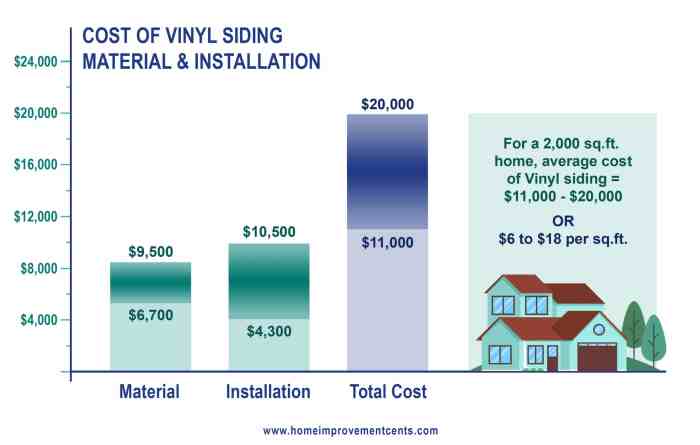
When it comes to the average cost range for vinyl siding installation, it typically falls between $3 to $7 per square foot. This cost includes both materials and labor, but the final price can vary based on several factors.
Quality Levels and Brands
- Basic vinyl siding: On the lower end of the price range, basic vinyl siding can cost around $3 to $4 per square foot. While more affordable, it may not offer the same durability or aesthetic appeal as higher-end options.
- Mid-range vinyl siding: Mid-range vinyl siding typically costs between $4 to $6 per square foot. This option often strikes a good balance between cost and quality, offering decent durability and a variety of style choices.
- Premium vinyl siding: For premium or designer vinyl siding, prices can range from $6 to $7 per square foot. These options usually come with enhanced features, such as increased durability, better insulation, and unique design elements.
Regional Variations
In addition to quality levels and brands, regional variations can also impact the cost of vinyl siding installation. Factors such as labor costs, local regulations, and demand for certain materials can influence pricing. For example, areas with higher living costs or stricter building codes may see higher overall expenses for vinyl siding installation compared to regions with lower overhead costs.
Installation Process and Labor Costs
Installing vinyl siding involves several steps that can impact the overall cost of the project. The labor costs associated with hiring professionals versus opting for a DIY installation also play a significant role in determining the total expenses.
Steps Involved in Installing Vinyl Siding
- Preparation of the exterior surface by cleaning and inspecting for any repairs needed.
- Measuring and cutting the vinyl siding panels to fit the specific dimensions of the house.
- Installation of starter strips, corner posts, J-channels, and other necessary components.
- Attaching the siding panels securely to the exterior of the house, ensuring proper alignment and spacing.
- Finishing touches such as installing trim pieces, soffits, and fascia to complete the look.
Calculation of Labor Costs
Labor costs for vinyl siding installation are typically calculated based on the square footage of the project, complexity of the design, and the hourly rate of the contractors. Some contractors may also include additional charges for prep work, disposal of old materials, and any unforeseen repairs.
Professional Installation vs. DIY
While opting for a DIY installation may seem cost-effective initially, hiring professionals can ensure a faster and more efficient installation process. Professionals have the necessary skills and experience to handle any challenges that may arise during the project, potentially saving you money in the long run by avoiding costly mistakes.
Additional costs to consider
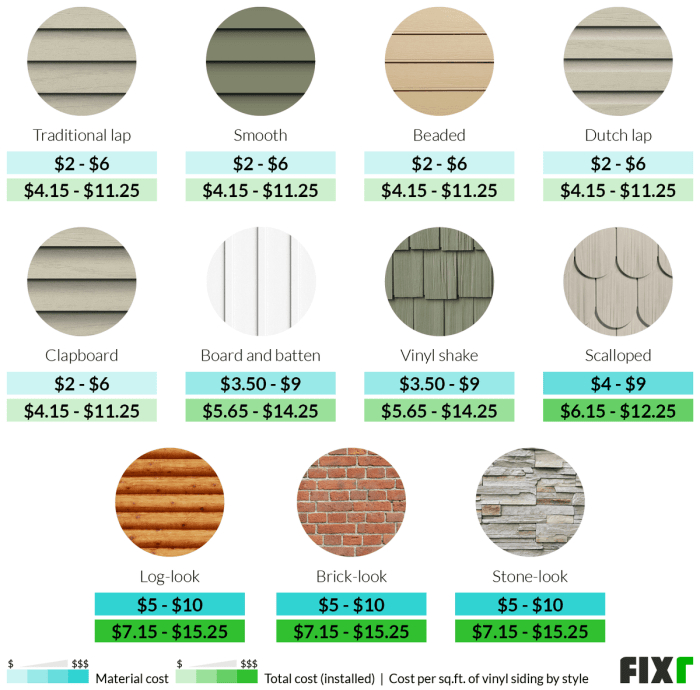
When planning for a vinyl siding installation project, it's essential to consider additional costs that may arise beyond the initial estimate. These supplementary expenses can impact your overall budget and should be taken into account to avoid any financial surprises along the way.
Cost of Permit and Inspection
- Before starting the installation process, homeowners may need to obtain a permit from their local authorities. The cost of permits can vary depending on the location and the scope of the project.
- Inspections may also be required at different stages of the installation, and these inspections often come with additional fees that should be factored into the budget.
Unforeseen Repairs
- During the installation process, contractors may uncover underlying issues such as rot, mold, or structural damage that need to be addressed before the siding can be installed.
- Repairing these unexpected issues can add to the overall cost of the project, so it's important to have a contingency fund set aside for such repairs.
Trim and Accessories
- In addition to the vinyl siding itself, homeowners may need to purchase trim pieces, corner posts, soffits, and other accessories to complete the look of the exterior.
- These additional materials can contribute to the total cost of the project, so it's important to include them in the budget from the beginning.
Labor Overtime or Delays
- If the installation process takes longer than initially anticipated due to unforeseen circumstances or weather delays, labor costs may increase.
- Contractors may charge overtime fees for working outside of regular hours or for additional days required to complete the project, so it's important to be prepared for these potential additional costs.
Tips for Budgeting Effectively
- Get multiple quotes from different contractors to compare prices and services offered.
- Set aside a contingency fund of at least 10-15% of the total project cost to cover any unexpected expenses.
- Communicate openly with your contractor about your budget constraints and ask about any potential additional costs upfront.
Last Point
Concluding our discussion on the cost of vinyl siding installed per square foot, this paragraph encapsulates the key points discussed and leaves readers with a heightened understanding of the complexities and nuances involved in determining the overall expenses of this home improvement project.
Frequently Asked Questions
What factors influence the cost of vinyl siding installation?
Factors such as material quality, project size, and labor expenses can impact the cost per square foot.
What is the average cost range for vinyl siding installation?
The typical cost range per square foot varies based on quality levels and brands, with regional pricing differences also playing a role.
How are labor costs calculated for a vinyl siding installation project?
Labor costs are usually estimated based on the project's size, complexity, and the hourly rates of professionals involved.
Are there any additional costs to consider during a vinyl siding installation?
Supplementary costs like permit fees, disposal expenses, and unforeseen repairs can add to the overall project budget.