
Delving into the world of average house siding cost opens up a realm of possibilities for homeowners looking to enhance their abode. From the myriad of materials available to the impact of geographical location on pricing, this guide offers a detailed exploration of all things related to siding costs.
As we navigate through the intricate details of siding expenses, readers will gain valuable insights into the factors that influence these costs and discover practical tips for saving money in the long run.
Factors Affecting House Siding Costs
When considering the cost of house siding, several factors come into play that can impact the overall expenses. Understanding these factors can help homeowners make informed decisions when it comes to siding installation.
Types of House Siding Materials
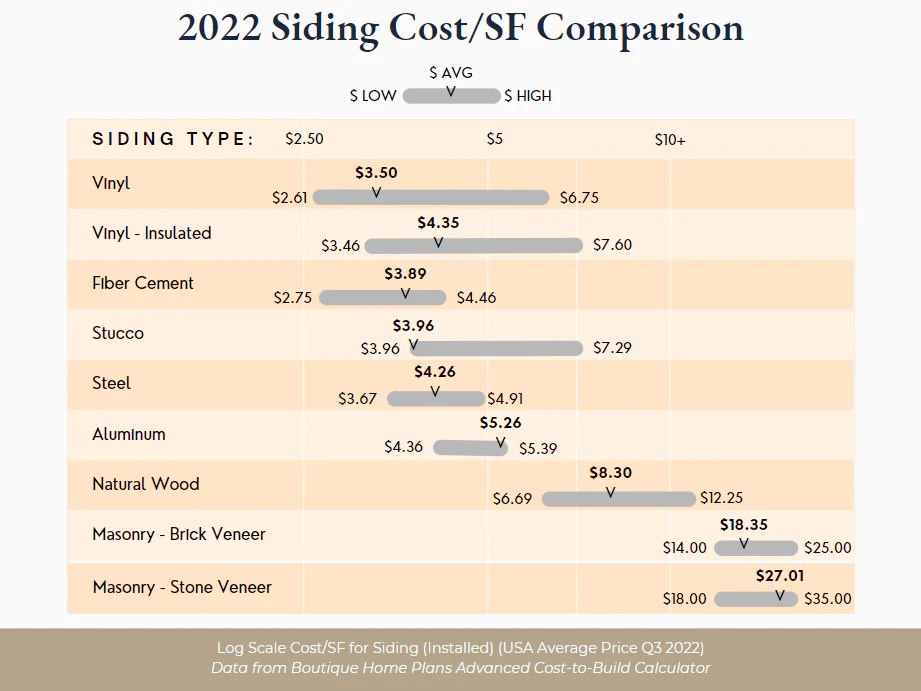
There are various types of house siding materials available in the market, including vinyl, wood, fiber cement, metal, and stucco. Each material comes with its own set of benefits, durability, and maintenance requirements, which in turn affects the overall cost of the siding project.
Impact of Material Choice on Overall Cost
The choice of material plays a significant role in determining the overall cost of house siding. While vinyl siding tends to be more affordable upfront, materials like fiber cement or wood may require higher initial investment but offer long-term durability and aesthetic appeal, impacting the overall cost over time.
Influence of House Size on Siding Costs
The size of the house directly affects the amount of siding material required for installation. Larger homes will naturally require more material, leading to higher costs. Additionally, the shape and design of the house can also impact the complexity of the installation process, further influencing the overall expenses.
Labor Costs vs. Material Costs in Siding Installation
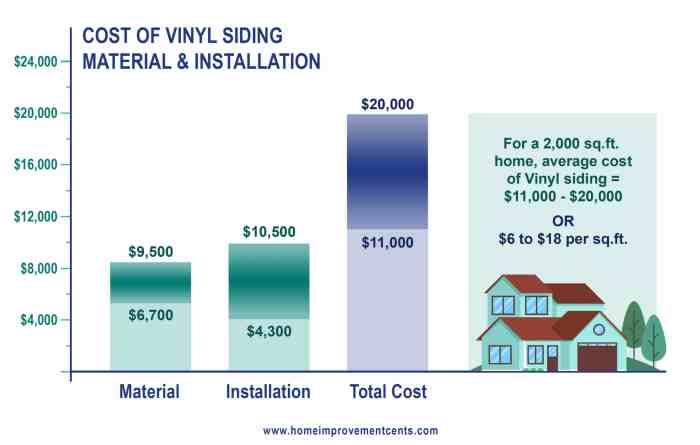
When budgeting for house siding, it's essential to consider both labor and material costs. Labor costs can vary depending on the complexity of the installation, the expertise of the contractors, and the location of the property. While materials make up a significant portion of the expenses, labor costs should not be overlooked as they can significantly impact the overall cost of the project.
Average Cost of Common Siding Materials
When considering the average cost of common siding materials, it is essential to understand the various options available in the market. Each type of siding material comes with its unique characteristics and price points. Let's explore the average costs associated with different siding materials.
Vinyl Siding
Vinyl siding is a popular choice for homeowners due to its affordability and low maintenance requirements. On average, the cost of vinyl siding can range from $2 to $7 per square foot, depending on the quality and thickness of the material.
Additional factors such as insulation, texture, and color options can also impact the overall cost.
Fiber Cement Siding
Fiber cement siding is known for its durability and resistance to elements such as fire, rot, and pests. The average cost of fiber cement siding typically falls between $5 to $12 per square foot. The higher cost compared to vinyl siding is justified by its longevity and minimal maintenance needs.
Wood Siding
Wood siding offers a natural and classic look to homes, but it comes with a higher price tag compared to other materials. The price range for wood siding options can vary significantly, starting from $6 per square foot for basic pine or cedar siding and going up to $15 or more per square foot for premium wood species like redwood or teak.
Factors such as the grade of wood, finish, and installation complexity can influence the final cost.
Metal Siding
Metal siding is a durable and low-maintenance option that can provide a modern aesthetic to homes. The cost of metal siding typically ranges from $4 to $8 per square foot, depending on the type of metal used (such as aluminum, steel, or zinc) and the design of the panels.
Additional factors like coating, insulation, and customization can also impact the overall cost of metal siding.
Additional Expenses to Consider
When calculating the cost of house siding, it's essential to take into account various additional expenses that can impact the overall budget. From insulation costs to trim work and finishing, as well as geographical location and regulatory requirements, these factors can significantly influence the final price tag of your siding project.
Impact of Insulation Costs
Insulation is a crucial component of any siding project, as it helps improve energy efficiency and regulate indoor temperature. The cost of insulation can vary depending on the type of material used, the size of your property, and the complexity of the installation process.
It's important to factor in insulation costs when budgeting for your siding project to ensure maximum energy savings in the long run.
Potential Costs for Trim Work and Finishing
Trim work and finishing details are essential for achieving a polished look for your home's exterior. These additional features can include corner pieces, soffits, fascia, and other decorative elements that enhance the overall aesthetic appeal of your property. The cost of trim work and finishing will depend on the materials chosen, the intricacy of the design, and the labor involved in the installation process.
Influence of Geographical Location on Pricing
The geographical location of your property can also impact the pricing of your siding project. Factors such as local labor costs, availability of materials, and climate conditions can all affect the overall cost of the project. For instance, properties located in areas with higher labor costs or extreme weather conditions may incur additional expenses compared to properties in more affordable or moderate regions.
Permits and Other Regulatory Cost Considerations
Before embarking on a siding project, it's important to consider the cost of permits and other regulatory requirements. Depending on your location, you may need to obtain permits for the installation of siding, especially if you live in a historic district or residential area with specific regulations.
Failure to comply with these requirements can result in fines or delays, so it's essential to factor in these costs when planning your siding project.
Cost-Saving Tips and Strategies
When it comes to house siding costs, there are several strategies you can use to save money without compromising on quality or durability. From considering DIY options to negotiating with contractors, here are some cost-saving tips to help you get the best value for your investment.
DIY vs Professional Installation Costs
If you have the necessary skills and tools, opting for a do-it-yourself approach can significantly lower your overall siding costs. By taking on the installation yourself, you can save on labor expenses that would otherwise be incurred with professional installation.
However, it's essential to weigh the pros and cons carefully and ensure you have the expertise needed for a successful DIY project.
Potential Savings of Buying Materials in Bulk
Buying siding materials in bulk can often lead to substantial savings, as suppliers may offer discounts for larger orders. By purchasing all the necessary materials at once, you can take advantage of wholesale pricing and reduce the overall cost of your siding project.
Be sure to compare prices from different suppliers and look for deals on high-quality materials to maximize your savings.
Tips for Negotiating with Contractors
When hiring a contractor for your siding project, don't be afraid to negotiate on pricing. Obtain quotes from multiple contractors and use these estimates to leverage better deals. Ask for discounts, inquire about any available promotions, and be clear about your budget constraints.
Effective negotiation can help you secure a more affordable price without sacrificing the quality of workmanship.
Long-Term Cost Benefits of Investing in High-Quality Siding
While high-quality siding materials may come with a higher upfront cost, they can offer long-term cost benefits in terms of durability and maintenance. Investing in premium siding options can reduce the need for frequent repairs and replacements, ultimately saving you money in the long run.
Additionally, quality siding can improve energy efficiency and increase the overall value of your home, making it a worthwhile investment for the future.
Final Thoughts
In conclusion, understanding the average house siding cost is not just about numbers; it's about making informed decisions that align with your budget and preferences. By taking into account the various factors discussed in this guide, you can embark on your siding project with confidence and clarity.
FAQ Resource
What are the best siding materials for cost-effectiveness?
Vinyl and fiber cement siding are popular choices for their durability and affordability.
How can I reduce siding costs?
Consider DIY installation, buying materials in bulk, and negotiating with contractors for better deals.
Does geographical location impact siding costs?
Yes, areas with higher labor and material costs will generally have higher overall siding costs.