
Delve into the world of architecture with a focus on the iconic figure, Le Corbusier. This visionary architect has left an indelible mark on the industry, shaping the way we view and design spaces. Prepare to embark on a journey through his life, work, and enduring influence.
Uncover the genius behind the designs that continue to inspire architects and enthusiasts alike.
Background of Le Corbusier
Le Corbusier, born as Charles-Édouard Jeanneret-Gris in 1887, was a Swiss-French architect, designer, urban planner, and writer. He is widely regarded as one of the pioneers of modern architecture and a key figure in the development of the International Style.
Le Corbusier's work was instrumental in shaping the architectural landscape of the 20th century and continues to influence contemporary design.
Architectural Style and Key Principles
Le Corbusier's architectural style was characterized by geometric forms, pilotis (support columns), open floor plans, and a focus on functionality and efficiency. He believed in the use of modern materials such as concrete, steel, and glass to create buildings that were both aesthetically pleasing and practical.
Le Corbusier's key principles included the idea of the "Five Points of Architecture," which emphasized the use of pilotis, flat roofs, open floor plans, horizontal windows, and free facade design. These principles were meant to maximize space, light, and ventilation in his buildings while breaking away from traditional architectural conventions.
Architectural Works
Le Corbusier, a pioneer of modern architecture, left a lasting legacy with his innovative and influential designs. Some of his most famous architectural projects include:
Villa Savoye
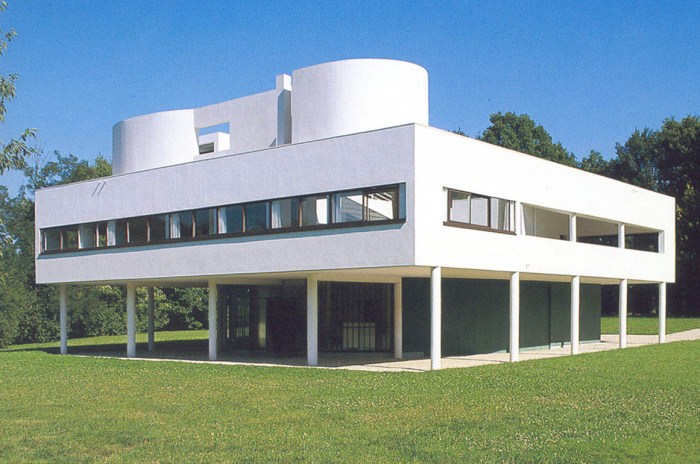
One of Le Corbusier's most iconic works, Villa Savoye, located in France, is a masterpiece of modern architecture. Built in the 1930s, this villa exemplifies Le Corbusier's five points of architecture, which emphasize open floor plans, pilotis (supports), and a flat roof terrace.
Unité d’Habitation
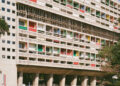
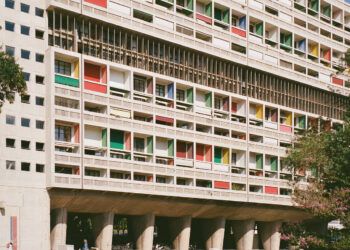
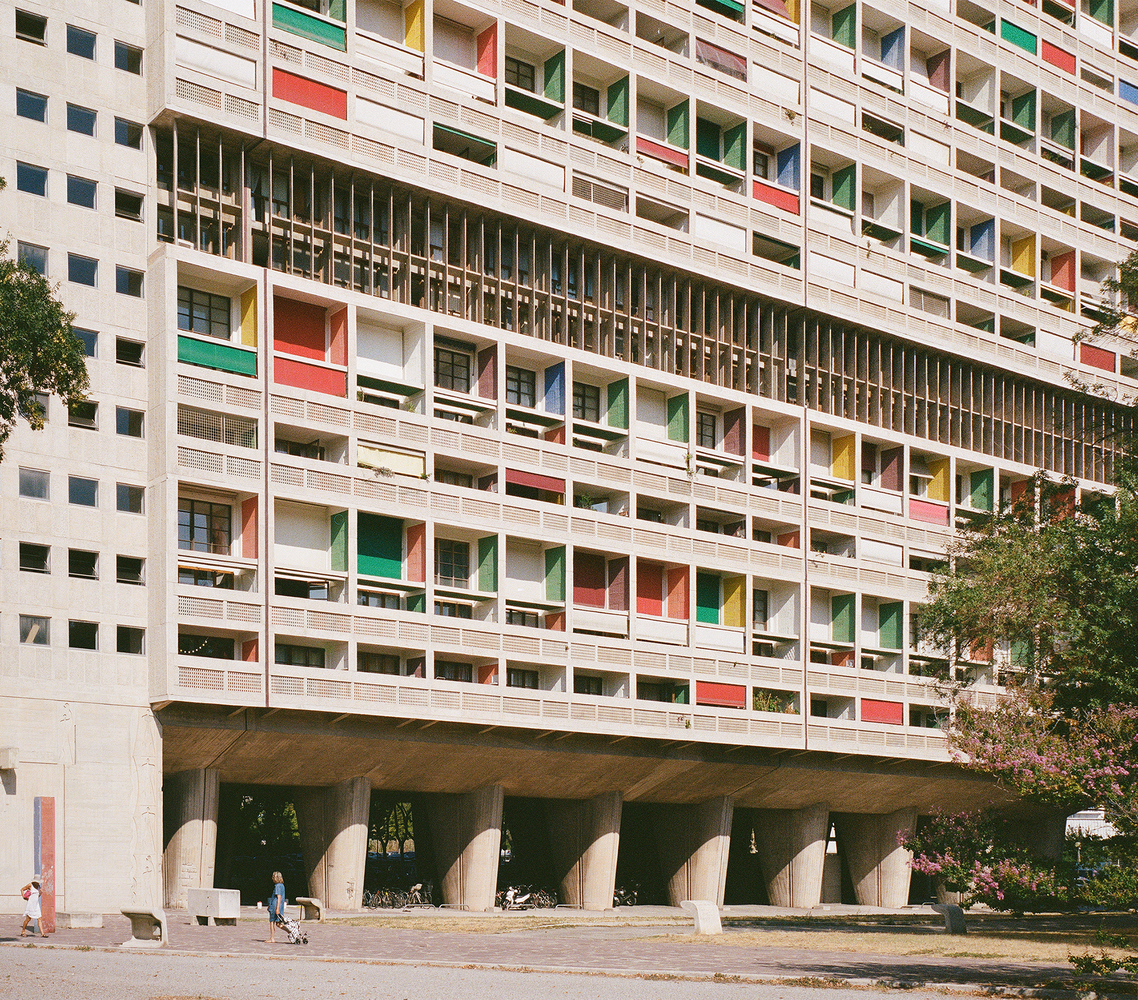
Another key project by Le Corbusier is the Unité d'Habitation in Marseille, France. This residential building, completed in 1952, revolutionized urban housing design with its innovative use of concrete, modular construction, and communal living spaces.
Chandigarh Capitol Complex
Designed by Le Corbusier in the 1950s, the Chandigarh Capitol Complex in India is a prime example of his urban planning principles. This complex includes government buildings, a legislative assembly, and a high court, all arranged in a functional and visually striking layout.Le Corbusier's approach to urban planning and design prioritized functionality, efficiency, and aesthetics.
He believed in creating spaces that catered to the needs of the inhabitants while promoting a sense of community and well-being. His designs often incorporated open spaces, natural light, and geometric forms to enhance the overall living experience.The influence of Le Corbusier's designs on modern architecture cannot be overstated.
His emphasis on functionality, minimalism, and the use of industrial materials has shaped the way architects approach building design to this day. Many contemporary buildings and urban developments draw inspiration from Le Corbusier's innovative concepts, contributing to the ongoing legacy of this visionary architect.
Five Points of Architecture
Le Corbusier's "Five Points of Architecture" are design principles that revolutionized architectural thinking in the 20th century. These points were established to guide modern architectural design and construction, emphasizing functionality, aesthetics, and efficiency.
Pilotis
Pilotis are slender columns that lift a building off the ground, allowing for an open floor plan and free-flowing space underneath. This innovation creates a sense of lightness and transparency in the structure, as seen in Le Corbusier's Villa Savoye in Poissy, France.
Flat Roof Terrace
The flat roof terrace serves as a functional outdoor space that can be utilized for various activities, such as recreation or gardening. This feature blurs the line between indoor and outdoor living, promoting a connection to nature. An iconic example is the Unité d'Habitation in Marseille, France.
Open Floor Plan
The open floor plan eliminates the need for load-bearing walls, allowing for flexible interior spaces and seamless circulation. This design principle enhances the sense of spatial continuity and versatility in the building. One prominent example is the Villa Stein in Garches, France.
Ribbon Windows
Ribbon windows are horizontal strips of windows that run continuously along the facade, providing abundant natural light and panoramic views. This feature enhances the visual appeal of the building and creates a harmonious relationship between the interior and exterior. The Ronchamp Chapel in Ronchamp, France, showcases this design element.
Free Facade
The free facade concept allows architects to design the exterior facade independently from the structural framework, enabling creative freedom in shaping the building's appearance. This principle results in dynamic and expressive facades, as demonstrated in the Carpenter Center for the Visual Arts in Cambridge, Massachusetts.
Furniture Design
Le Corbusier was not only a visionary architect but also made significant contributions to furniture design. His iconic furniture pieces are renowned for their innovative concepts and sleek modernist aesthetics. Let's explore how Le Corbusier's furniture design principles align with his architectural principles.
Iconic Furniture Pieces
Le Corbusier's most famous furniture pieces include the LC2 and LC4 chairs, as well as the LC6 table. These pieces are characterized by their use of tubular steel frames, leather upholstery, and geometric shapes. The LC2 chair, for example, features a cubist-inspired design with cushions held in a steel frame, showcasing Le Corbusier's focus on form and function.
Design Concepts
Le Corbusier's furniture design principles often mirrored his architectural principles, emphasizing functionality, simplicity, and a rejection of ornamentation. His furniture pieces were designed to be mass-produced and accessible, reflecting his belief in creating affordable, efficient living spaces for the masses.
The use of steel and leather in his furniture not only showcased modern materials but also prioritized comfort and durability.
Comparison with Architectural Principles
In comparing Le Corbusier's furniture design principles with his architectural principles, we see a consistent focus on clean lines, geometric shapes, and a harmonious blend of form and function. Both his furniture and architectural works exhibit a sense of minimalism, with an emphasis on open spaces and natural light.
The five points of architecture, such as pilotis and free facade, can also be seen reflected in the design of his furniture pieces, creating a cohesive design language across his body of work.
Concluding Remarks
In conclusion, Le Corbusier's innovative approach to architecture and design has cemented his place as a pioneer in the field. His timeless principles and groundbreaking projects serve as a testament to his enduring legacy, leaving a lasting impact on the world of architecture.
Popular Questions
What influenced Le Corbusier's architectural style?
Le Corbusier was influenced by a blend of classical architecture, industrial advancements, and his own vision of functional design.
How did Le Corbusier revolutionize urban planning?
Le Corbusier's focus on creating efficient, livable spaces for inhabitants challenged traditional urban planning methods, paving the way for modern city design.
What are some of Le Corbusier's most famous architectural projects?
Some of his notable works include Villa Savoye, Unité d'Habitation, and the Chandigarh Capitol Complex.