
Embark on a journey through the realm of studio architecture, where creativity meets functionality in a harmonious blend of design. Discover the unique elements that set studio architecture apart and delve into the innovative practices that shape this dynamic field.
As we delve deeper into the characteristics, influences, sustainability, and spatial planning of studio architecture, a tapestry of creativity and ingenuity unfolds before us.
Overview of Studio Architecture
Studio architecture is a design approach that emphasizes creativity, innovation, and functionality in creating architectural spaces. It is a significant style in the field of design as it focuses on integrating artistic expression with practicality to meet the needs of the users.
Key Elements of Studio Architecture
- Emphasis on creativity and innovation
- Focus on functionality and practicality
- Integration of artistic expression with architectural design
- Attention to detail and craftsmanship
Integration of Functionality with Aesthetic Appeal
Studio architecture excels in balancing the functional requirements of a space with its visual appeal. By carefully considering how a building will be used and experienced, designers in this style can create spaces that not only look beautiful but also serve their intended purpose effectively.
Characteristics of Studio Architecture
Studio architecture designs often share common features that set them apart from other types of buildings. These features include a focus on natural light, the use of materials like glass, steel, and concrete, and a seamless integration of indoor and outdoor spaces.
Natural Light Incorporation
In studio architecture, natural light is a key element in the design process. Architects carefully plan the placement of windows, skylights, and other openings to maximize the amount of daylight that enters the space. This not only reduces the need for artificial lighting but also creates a bright and airy atmosphere that enhances the overall experience of the building.
Use of Glass, Steel, and Concrete
Glass, steel, and concrete are commonly used materials in studio architecture projects. Glass is often chosen for its transparency and ability to seamlessly connect indoor and outdoor spaces. Steel is valued for its strength and versatility, allowing for large open-plan layouts and unique structural designs.
Concrete, with its durability and flexibility, is frequently used in both exterior and interior applications, adding a modern and industrial aesthetic to studio buildings.
Influential Studio Architects
Studio architecture has been significantly influenced by renowned architects who have left a lasting impact on the design world. Their innovative approaches and iconic projects have shaped the evolution of studio architecture.
Frank Gehry
Frank Gehry is widely recognized for his groundbreaking designs that challenge traditional architectural norms. His use of unconventional materials and unique forms has redefined the possibilities of studio architecture. One of his most famous projects is the Guggenheim Museum in Bilbao, Spain, which has become an architectural icon and a symbol of modern design.
Zaha Hadid
Zaha Hadid was known for her futuristic and avant-garde designs that pushed the boundaries of architecture. Her fluid and dynamic structures have inspired countless architects and designers in the field of studio architecture. The Heydar Aliyev Center in Baku, Azerbaijan, is a prime example of her innovative approach to architectural design.
Rem Koolhaas
Rem Koolhaas is celebrated for his conceptual and thought-provoking designs that challenge traditional notions of space and form. His work often blurs the lines between architecture, art, and urban planning, influencing a new generation of architects. The CCTV Headquarters in Beijing, China, is a testament to his bold and daring architectural vision.
Sustainable Practices in Studio Architecture
In modern studio architecture, sustainability plays a crucial role in creating environmentally conscious and energy-efficient buildings. By incorporating sustainable practices, architects aim to minimize the environmental impact of their projects while promoting a healthier and more sustainable future.
Innovative Eco-Friendly Solutions in Studio Architecture
Studio architects utilize a variety of innovative eco-friendly solutions in their projects to promote sustainability. Some common practices include:
- Integration of renewable energy sources such as solar panels and wind turbines
- Utilization of sustainable materials like reclaimed wood, bamboo, and recycled steel
- Implementation of green roofs and living walls to enhance energy efficiency and reduce urban heat island effect
- Incorporation of passive design strategies to maximize natural light and ventilation
Integration of Sustainable Design Principles
Sustainable design principles are seamlessly integrated into studio architecture to reduce environmental impact and improve resource efficiency. These principles include:
- Optimizing building orientation for natural light and heat gain
- Enhancing indoor air quality through proper ventilation systems
- Implementing water conservation strategies like rainwater harvesting and greywater recycling
- Designing energy-efficient HVAC systems and lighting solutions
Spatial Planning in Studio Architecture
Spatial planning in studio architecture plays a crucial role in creating functional and aesthetically pleasing spaces. It involves the strategic organization of various elements within a studio to optimize space utilization and enhance the overall user experience.
Optimizing Space Utilization
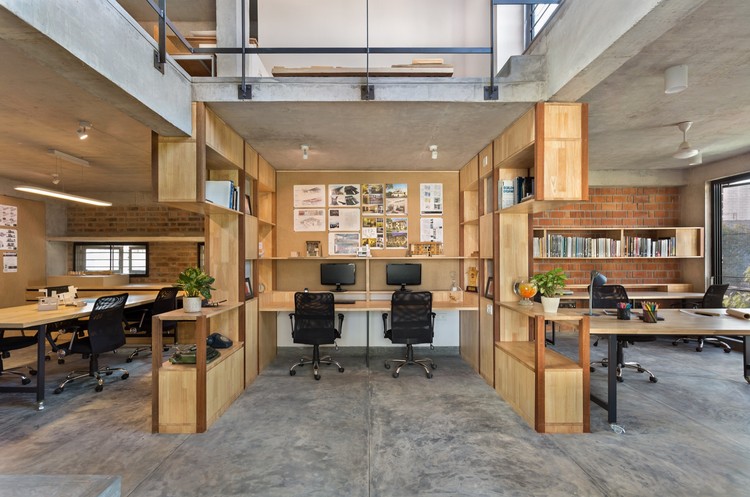
In studio architecture, optimizing space utilization is essential to ensure that every square foot serves a purpose. This can be achieved through thoughtful layout design, efficient furniture placement, and the use of multifunctional elements.
- Utilize vertical space by incorporating storage solutions such as built-in shelves or cabinets.
- Design flexible furniture pieces that can be easily adjusted or folded to maximize space when needed.
- Create visual boundaries using furniture or partitions to define different zones within the studio.
Functionality and Aesthetics
The spatial elements in studio architecture contribute not only to the functionality but also to the aesthetics of the space. By carefully planning the layout and design, architects can create harmonious environments that are both visually appealing and practical.
- Consider natural light and ventilation in the spatial planning to enhance the ambiance of the studio.
- Balance open areas with enclosed spaces to provide privacy and a sense of openness in the studio.
- Use materials and finishes strategically to create visual interest and enhance the overall design concept.
Final Conclusion
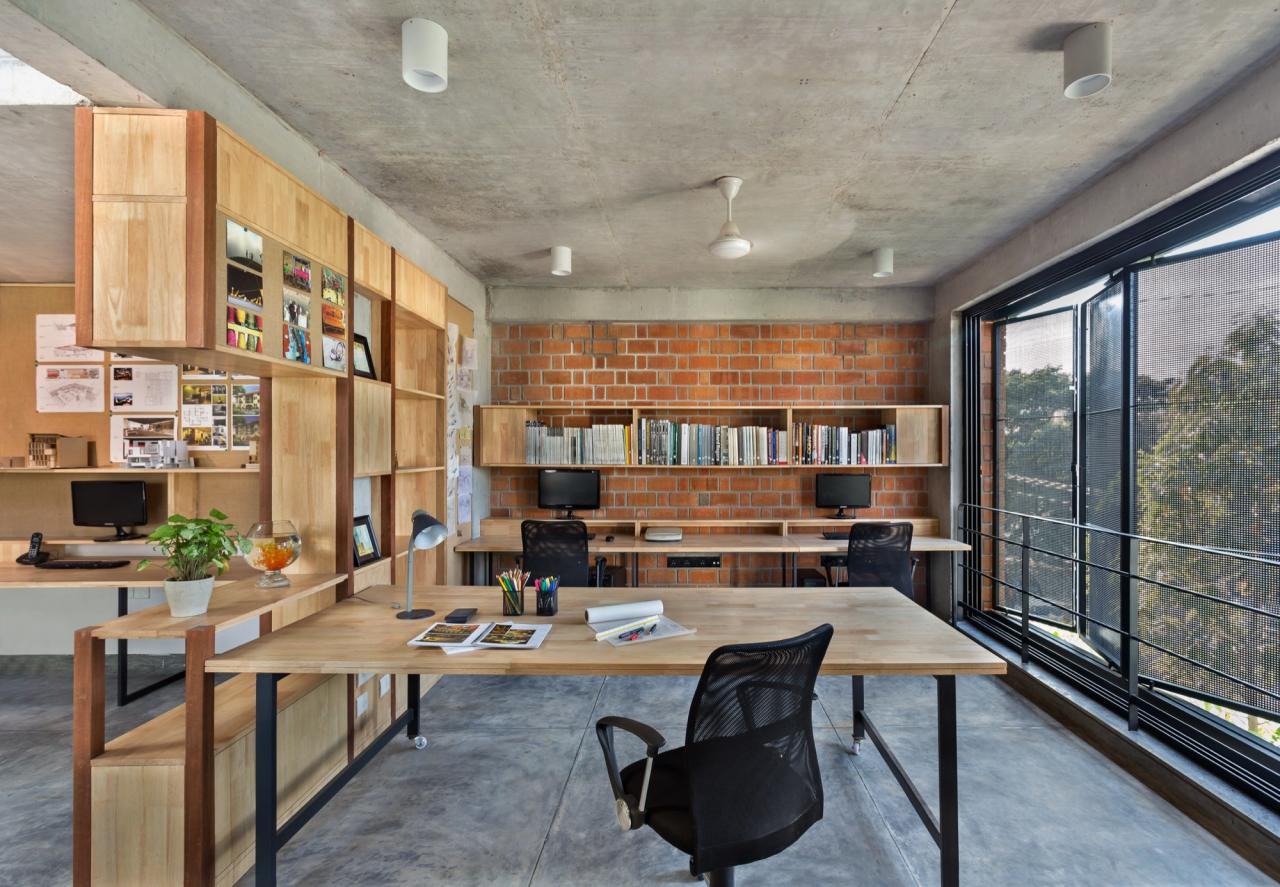
In conclusion, studio architecture stands as a testament to the fusion of artistry and practicality, offering a glimpse into a world where form meets function with elegance and purpose. Let the allure of studio architecture inspire your own creative endeavors and design aspirations.
Detailed FAQs
What sets studio architecture apart from other styles?
Studio architecture focuses on integrating functionality with aesthetic appeal, creating spaces that are both visually striking and practical.
How is natural light incorporated into studio architecture designs?
Natural light is strategically used to enhance the atmosphere and illuminate the space, creating a sense of openness and connection to the outdoors.
Who are some influential studio architects?
Renowned architects like Frank Gehry and Zaha Hadid have made significant contributions to studio architecture with their groundbreaking designs.
What role does sustainability play in modern studio architecture?
Sustainability is a key focus in modern studio architecture, with eco-friendly solutions and sustainable design principles being integrated to reduce environmental impact.
How important is spatial planning in studio architecture?
Spatial planning is crucial in studio architecture to optimize space utilization, ensuring that every area is functional and contributes to the overall aesthetics of the space.