
Embark on a journey through the world of architectural rendering services, where creativity meets technology to bring design concepts to life with stunning visuals. From 3D modeling to virtual reality tours, discover how these services revolutionize the way architects communicate their ideas.
Delve into the process of creating realistic renderings, learn about the different types of services available, and explore the benefits of outsourcing these tasks to specialized firms.
Importance of Architectural Rendering Services
Architectural rendering services play a crucial role in the field of architecture by providing a visual representation of design concepts before they are built. This technology allows architects to create realistic 3D models of their designs, helping them to visualize and communicate their ideas effectively.
Enhanced Visualization and Communication
Architectural rendering services enable architects to showcase their designs in a more immersive and realistic manner. By creating detailed 3D models with accurate lighting, textures, and materials, architects can present their vision to clients and stakeholders with greater clarity.
Improved Presentations to Clients
- Architectural rendering services allow architects to present multiple design options to clients, helping them to make informed decisions.
- By providing photorealistic images and animations, architects can convey the look and feel of a project before construction begins.
- Virtual reality technology in architectural rendering services enables clients to experience a project in a more interactive way, enhancing their understanding and engagement.
Types of Architectural Rendering Services
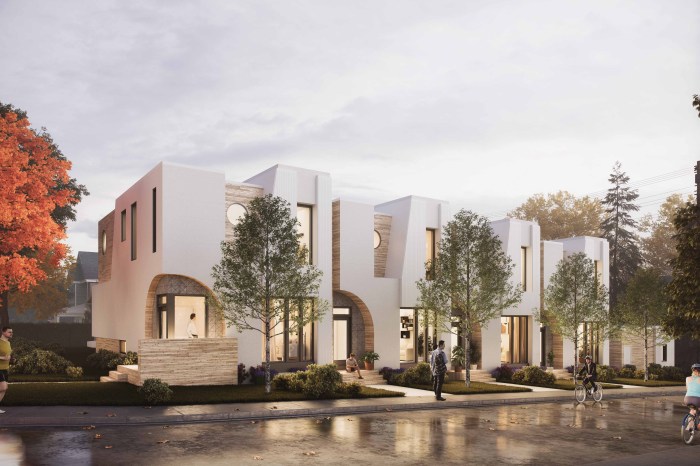
Architectural rendering services encompass a variety of techniques and technologies that allow architects, designers, and clients to visualize and communicate design concepts effectively. Here are some of the most common types of architectural rendering services:
1. 3D Modeling
3D modeling involves creating a digital representation of a building or space in three dimensions. This type of rendering allows for a more detailed and realistic depiction of the design, helping stakeholders to better understand the project.
2. Virtual Reality Tours
Virtual reality tours offer an immersive experience that enables users to explore a building or space in a realistic and interactive way. This type of rendering is particularly useful for showcasing designs to clients or stakeholders who want to experience the space firsthand.
3. Photorealistic Renderings
Photorealistic renderings use advanced rendering techniques to create images that closely resemble photographs of the proposed design. These renderings are highly detailed and provide a realistic representation of the finished project, helping clients visualize the final result.
4. Animation
Architectural animation involves creating dynamic, moving images that showcase different aspects of a design, such as the layout, materials, and lighting. This type of rendering can help clients understand how the space will look and function in real life.
5. Augmented Reality
Augmented reality overlays digital elements onto the real world, allowing users to see a design in the context of their surroundings. This type of rendering can be especially useful for on-site presentations or when making design decisions that affect the existing environment.
6. Interactive Presentations
Interactive presentations combine various rendering techniques to create engaging and interactive experiences for clients and stakeholders. These presentations may include elements such as clickable hotspots, pop-up information windows, and interactive walk-throughs to provide a comprehensive view of the design.
Process of Creating Architectural Renderings
Creating architectural renderings involves a step-by-step process that transforms initial concepts into realistic visual representations. This process requires the use of specific software tools and technologies to achieve accurate and detailed results.
Initial Concept Development
Before creating architectural renderings, architects and designers first develop initial concepts of the project. This includes defining the layout, structure, and design elements that will be incorporated into the rendering.
Software Tools and Technologies
Architectural rendering services commonly utilize advanced software tools such as AutoCAD, SketchUp, and 3ds Max to create detailed 3D models of the project. These tools allow for precise measurements, realistic textures, and accurate lighting effects.
Importance of Lighting, Textures, and Details
Lighting, textures, and details play a crucial role in creating realistic architectural renderings. Proper lighting enhances the depth and realism of the rendering, while textures add tactile quality to surfaces. Attention to detail ensures that the rendering accurately represents the final design of the project.
Benefits of Outsourcing Architectural Rendering Services
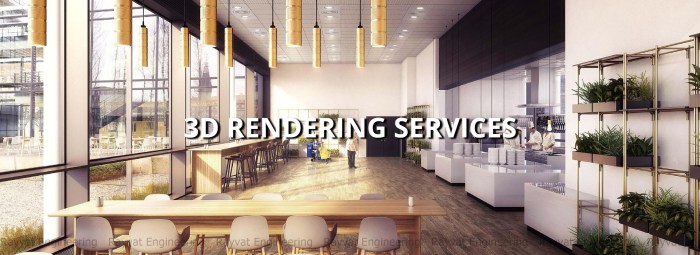
Outsourcing architectural rendering services to specialized firms can offer numerous advantages to architectural firms. By utilizing the expertise of external professionals, firms can save time, resources, and ensure high-quality renderings for their projects.
Cost-Effectiveness
Outsourcing architectural rendering services can be cost-effective for architectural firms as they can avoid the need to invest in expensive software, hardware, and training for in-house rendering teams. By outsourcing, firms can pay for the services they need on a project-by-project basis, reducing overall costs in the long run.
Time-Saving
Architectural rendering can be a time-consuming process that requires specialized skills and knowledge. By outsourcing this task, architectural firms can free up valuable time for their in-house teams to focus on other aspects of the design process. This can lead to faster project completion and improved workflow efficiency.
Quality Assurance
Specialized rendering firms have the expertise and experience to deliver high-quality renderings that meet the standards and expectations of architectural firms. By outsourcing rendering services, firms can ensure that their projects are presented in the best possible light, helping to attract clients and stakeholders with visually appealing visuals.
Final Review
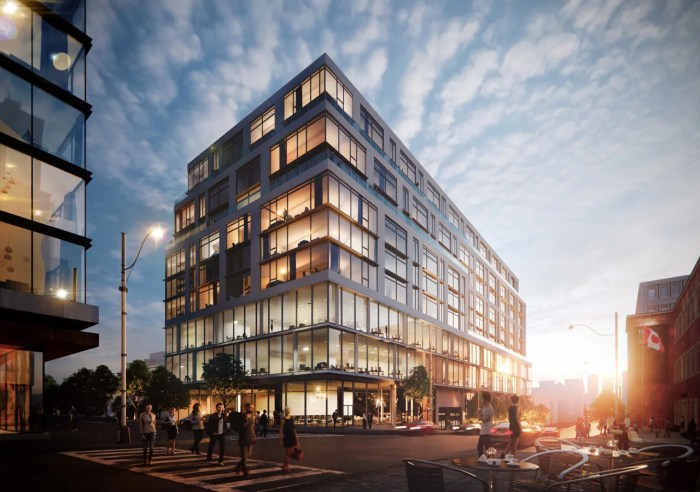
In conclusion, architectural rendering services have become indispensable tools for architects looking to elevate their presentations and streamline their design processes. By embracing the latest technologies and outsourcing when necessary, firms can stay ahead in a competitive industry.
Q&A
How do architectural rendering services benefit architects?
Architectural rendering services help architects visualize and communicate design concepts effectively, enhancing presentations to clients and stakeholders.
What types of software tools are commonly used in architectural rendering services?
Popular software tools include AutoCAD, SketchUp, V-Ray, and Lumion, among others.
Why outsource architectural rendering services?
Outsourcing can save time and resources for architectural firms, providing cost-effectiveness and quality assurance.