
Exploring the cost for new siding installation unveils a world of factors, materials, estimation methods, and cost-saving tips that homeowners should consider. This overview sets the stage for a comprehensive understanding of what influences the expenses associated with upgrading your home's siding.
Cost Factors for New Siding Installation
When considering the cost of new siding installation, there are several key factors that can influence the overall price. From the choice of materials to labor expenses, homeowners should be aware of the various elements that can impact the total cost of the project.
Material Choice
The type of siding material you choose will have a significant impact on the cost of installation. For example, vinyl siding is generally more affordable compared to fiber cement or wood siding options. Additionally, the quality and durability of the material can also affect the overall price.
Labor Expenses
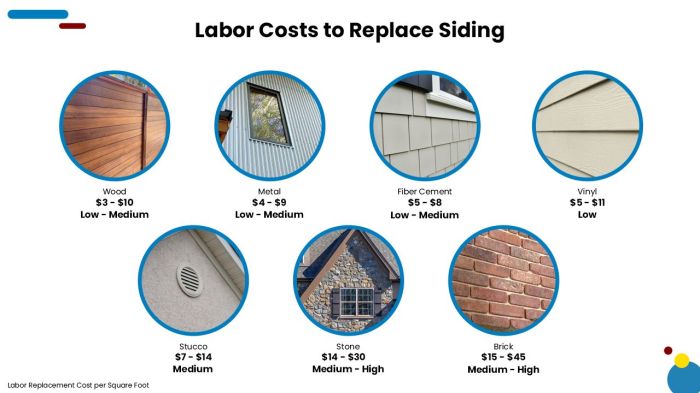
Labor costs play a crucial role in determining the total cost of new siding installation. Factors such as the size of the project, complexity of the installation, and location of your home can all influence labor expenses. It's important to consider the expertise and experience of the installation crew, as this can also affect the final cost.
Additional Costs
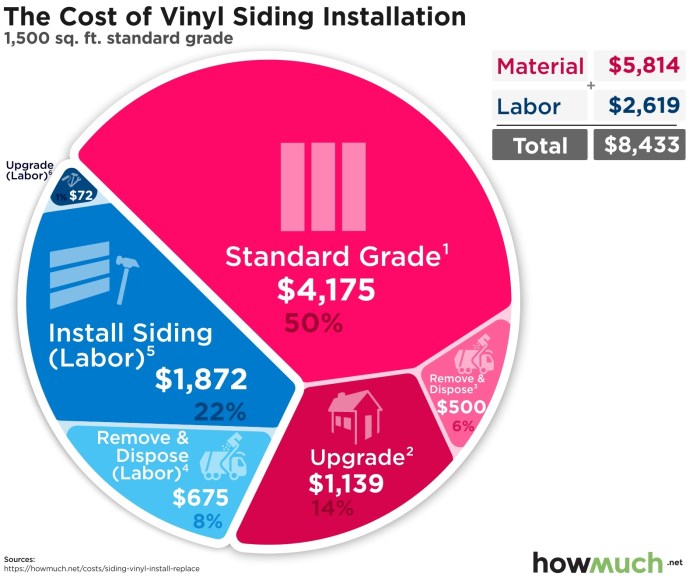
In addition to the basic cost of materials and labor, homeowners may also incur additional expenses during the installation process. These can include permits and inspection fees, disposal of old siding materials, any necessary repairs to the underlying structure, and any customizations or upgrades requested by the homeowner.
It's essential to factor in these extra costs when budgeting for a new siding installation project.
Types of Siding Materials
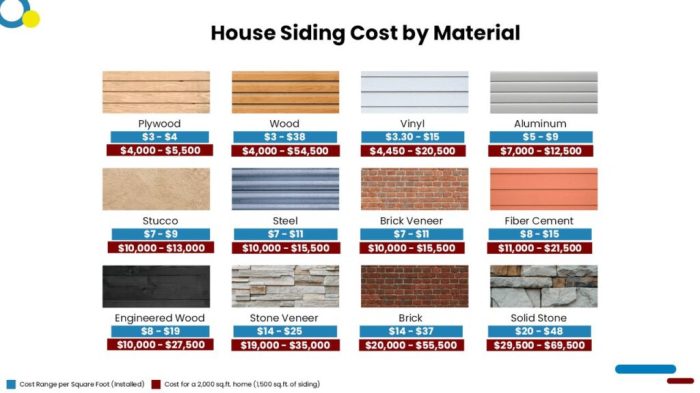
When it comes to choosing siding materials for your home, there are several options available in the market, each with its unique characteristics, costs, and maintenance requirements.Vinyl Siding:Vinyl siding is a popular choice due to its affordability and low maintenance.
It is available in a wide range of colors and styles, making it versatile for different architectural designs. The cost of vinyl siding installation is relatively low compared to other materials, making it a budget-friendly option for homeowners. However, vinyl siding may not be as durable as other materials and can fade or crack over time, requiring replacement.Wood Siding:Wood siding offers a classic and natural look to homes, adding warmth and character.
While wood siding can be more expensive than vinyl upfront, it can increase the value of a property. Maintenance is crucial for wood siding to prevent rot, pests, and weather damage, which can incur additional costs over time. Regular painting or staining is necessary to preserve the wood and protect it from the elements.Fiber Cement Siding:Fiber cement siding is a durable and long-lasting option that mimics the look of wood or masonry without the high costs or maintenance requirements.
It is resistant to fire, rot, and insects, making it a popular choice for homeowners seeking a low-maintenance solution. The initial cost of fiber cement siding may be higher than vinyl but lower than wood, offering a balance between affordability and durability.Metal Siding:Metal siding, such as aluminum or steel, is known for its strength and resilience against harsh weather conditions.
It is a low-maintenance option that can last for decades with minimal upkeep. While the upfront cost of metal siding installation may be higher than vinyl or fiber cement, the long-term durability and minimal maintenance make it a cost-effective choice in the long run.Overall, the choice of siding material will depend on factors such as budget, aesthetic preferences, and long-term maintenance considerations.
It is essential to weigh the initial costs against the durability and maintenance requirements of each material to make an informed decision that suits your home and budget.
Cost Estimation Methods
When it comes to estimating the cost of new siding installation, there are several methods that contractors use to provide homeowners with an accurate quote. It is essential to understand these methods to ensure you are getting a fair price for the project.
Common Methods Used by Contractors
- Contractors often calculate the cost of siding installation based on the square footage of the home. They will measure the exterior walls to determine how much material is needed.
- Some contractors may also consider the type of siding material chosen by the homeowner. Different materials come with varying costs, and this will be factored into the estimate.
- Additional factors such as labor costs, equipment rentals, and any necessary permits may also be included in the estimate provided by the contractor.
Step-by-Step Guide for Homeowners
- Measure the exterior walls of your home to calculate the total square footage that needs to be covered with siding.
- Research the cost of the siding material you prefer and multiply the square footage by the price per square foot to get an estimate of material cost.
- Consider additional costs such as labor, equipment rentals, and permits by getting quotes from multiple contractors.
- Add up all the costs to get a rough estimate of how much the new siding installation will cost.
Importance of Obtaining Multiple Quotes
- Getting quotes from multiple contractors is crucial to ensure you are getting a competitive price for the project.
- By comparing quotes, you can also get a better understanding of the breakdown of costs and make an informed decision.
- It is recommended to choose a contractor based on factors such as experience, reputation, and quality of work, in addition to cost.
Influence of Project Size and Complexity
- The size and complexity of the siding installation project can significantly impact the cost estimate.
- Larger homes will require more material and labor, resulting in a higher overall cost.
- Complex projects that involve intricate designs or hard-to-reach areas may also require additional time and resources, increasing the cost.
Cost-Saving Tips for Siding Installation
When it comes to siding installation, homeowners are always looking for ways to save money while still getting quality results. Here are some practical tips to help you reduce costs without compromising the integrity of your new siding.
Consider DIY Siding Installation
If you have some experience with home improvement projects, consider tackling the siding installation yourself. DIY projects can save you a significant amount of money on labor costs. However, make sure you have the necessary skills and tools to complete the job correctly and safely.
Explore Financing Options
Financing your new siding project can also help you manage costs effectively. Look into options such as home improvement loans, lines of credit, or financing plans offered by siding manufacturers or contractors. This can spread out the cost over time and make it more manageable for your budget.
Negotiate with Contractors
When hiring a contractor for your siding installation, don't be afraid to negotiate to secure the best possible price. Get multiple quotes from different contractors and compare them to find the most competitive offer. You can also ask if there are any discounts available or if they can match a lower price from a competitor.
Remember, it's okay to negotiate to get the best deal for your home improvement project.
Final Summary
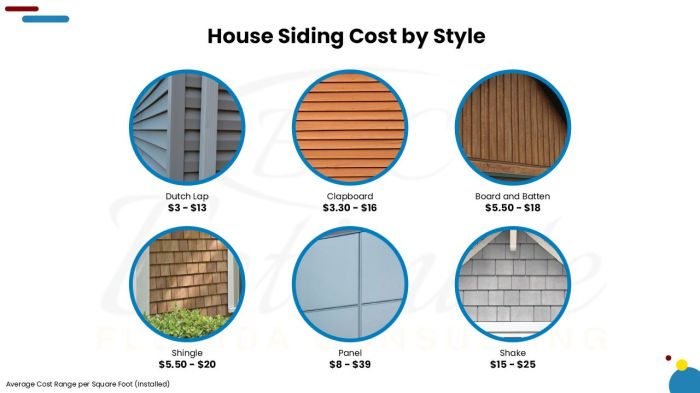
In conclusion, navigating the realm of new siding installation costs involves understanding the various factors at play, choosing the right materials, estimating expenses accurately, and implementing smart cost-saving strategies. By staying informed and proactive, homeowners can make informed decisions when it comes to enhancing their property's exterior.
Question Bank
What factors can influence the cost of new siding installation?
Factors like material choice, labor expenses, additional costs during installation, and project size and complexity can all impact the overall cost.
How do different siding materials affect long-term cost considerations?
The durability and maintenance requirements of materials like vinyl, wood, fiber cement, and metal can influence long-term costs homeowners may incur.
What are some common methods used to estimate the cost of siding installation?
Contractors use methods like obtaining multiple quotes, calculating rough estimates, and considering project size and complexity to determine costs.
Are there ways to save on siding installation costs?
Homeowners can save on costs by opting for DIY installation, exploring financing options, and negotiating with contractors for better prices.