
When it comes to siding installation cost, there are various factors and considerations that come into play. From material choices to labor costs, each aspect can impact the overall expenses of your project. Let's dive into the details to help you understand the ins and outs of siding installation costs.
As we explore the realm of siding installation costs, we'll uncover essential insights that can guide you in making informed decisions for your home improvement projects.
Factors influencing siding installation cost
When it comes to the cost of siding installation, several key factors can significantly impact the total expenses. Factors such as material choices, labor costs, project size, location, complexity of design, and additional features all play a role in determining the overall cost of installing new siding.
Material Choices
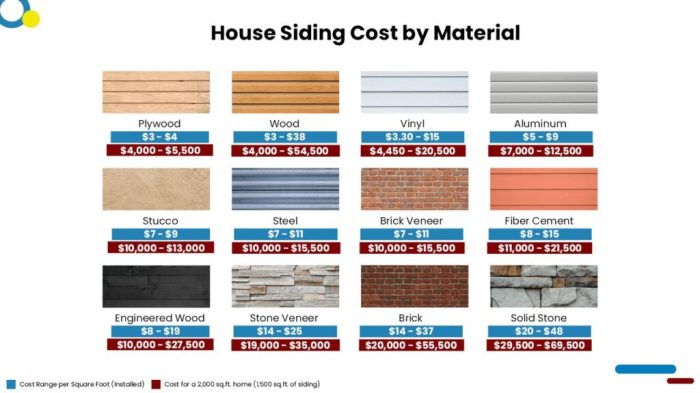
The type of siding material chosen for the project can have a major impact on the overall cost. Different materials come at various price points, with options ranging from affordable vinyl siding to more expensive wood or fiber cement options.
The quality, durability, and maintenance requirements of the chosen material will also influence the cost.
Labor Costs
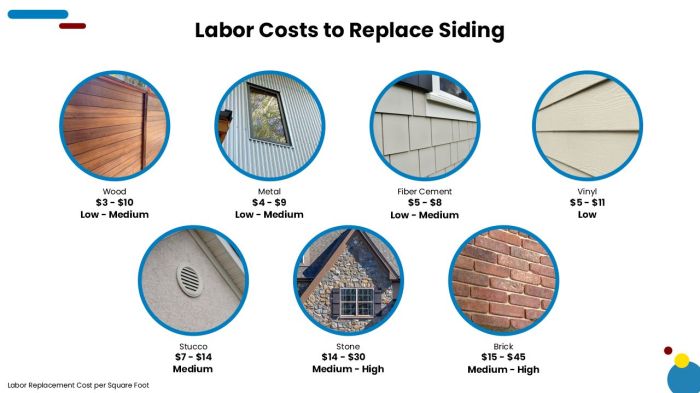
Labor costs for siding installation can vary depending on the experience and expertise of the contractors hired for the job. Skilled and reputable contractors may charge higher rates for their services, but this often ensures a higher quality installation. Additionally, the complexity of the project and the time required to complete the job will also affect labor costs.
Project Size
The size of the siding installation project will naturally impact the overall cost. Larger projects that require more materials and labor will come with a higher price tag compared to smaller, more straightforward installations. The amount of siding needed, as well as any additional features or customization, will all contribute to the final cost.
Location and Design Complexity
The location of the property, as well as the complexity of the design, can also influence the cost of siding installation. Properties in areas with higher living costs may have higher labor rates, while intricate designs or challenging architectural features may require additional time and expertise, leading to increased expenses.
Additionally, the need for specialized equipment or unique installation techniques can also raise the overall cost.
Types of siding materials and their costs
Vinyl, wood, fiber cement, and metal are some of the most popular types of siding materials used for residential properties. Each material comes with its own cost range, durability, maintenance requirements, and aesthetic appeal, making it important to compare and contrast them before making a decision.
Vinyl Siding
Vinyl siding is one of the most affordable options, with costs ranging from $2 to $7 per square foot for materials. It is durable, requiring minimal maintenance such as occasional cleaning. Vinyl siding comes in various colors and styles, providing homeowners with plenty of options for customization.
Wood Siding
Wood siding is known for its natural beauty and timeless appeal. However, it comes at a higher cost compared to vinyl, ranging from $5 to $10 per square foot for materials. Wood siding requires more maintenance, including regular painting or staining to protect it from the elements.
Fiber Cement Siding
Fiber cement siding offers a balance between affordability and durability. The cost of fiber cement siding falls between $5 to $12 per square foot for materials. It is resistant to rot, fire, and pests, making it a low-maintenance option for homeowners.
Fiber cement siding also comes in a variety of styles and finishes.
Metal Siding
Metal siding is a durable option that can withstand harsh weather conditions. The cost of metal siding ranges from $7 to $15 per square foot for materials. While it requires minimal maintenance, metal siding may dent or scratch easily. It is available in different metals such as aluminum, steel, and copper, each offering unique aesthetic appeal.
Labor costs and considerations
Labor costs in siding installation projects are typically calculated based on the amount of time and effort required to complete the job. Factors such as the size of the project, the complexity of the design, and the type of siding material being used can all influence labor pricing.
Factors contributing to variations in labor pricing
- The size of the project: Larger projects may require more time and manpower, leading to higher labor costs.
- The complexity of the design: Intricate designs or patterns may take longer to install, increasing labor expenses.
- The type of siding material: Some materials are more challenging to work with and may require specialized skills, impacting labor costs.
- Location: Labor costs can vary depending on the region, with higher costs typically seen in urban areas.
The importance of hiring skilled professionals
Skilled professionals play a crucial role in the success of a siding installation project. Hiring experienced and qualified workers may initially seem more expensive, but it can lead to cost savings in the long run. Skilled professionals are more efficient, resulting in faster installation times and potentially lower labor costs.
Additionally, their expertise can ensure that the siding is installed correctly the first time, reducing the risk of costly repairs or replacements in the future.
Cost-saving tips and budgeting strategies
When planning a siding installation project, it's essential to consider cost-saving tips and budgeting strategies to ensure you stay within your financial range without compromising quality. By implementing practical tips and being strategic in your approach, you can reduce overall expenses and make the most out of your budget.
Negotiation Tactics
- Get multiple quotes from different contractors and compare prices to negotiate a better deal.
- Ask if the contractor offers discounts for off-peak seasons or bulk materials purchase.
- Consider bundling your siding installation with other home improvement projects to potentially get a package discount.
Timing Considerations
- Plan your siding installation project during the slower seasons when contractors may offer lower prices to keep their schedule filled.
- Avoid rushing the project, as urgent requests may lead to higher costs for expedited services.
- Coordinate with the contractor to schedule the installation during a time that works best for both parties to potentially negotiate a lower rate.
Material Selection
- Opt for cost-effective siding materials that still provide durability and aesthetic appeal, such as vinyl or fiber cement.
- Consider purchasing materials in bulk to take advantage of volume discounts offered by suppliers.
- Explore eco-friendly options that may qualify for tax credits or rebates, helping offset some of the initial costs.
Conclusion
In conclusion, understanding the intricacies of siding installation costs is crucial for anyone planning a home renovation project. By being aware of the key factors influencing costs, the types of materials available, labor considerations, and cost-saving strategies, you can navigate the process with confidence and clarity.
Common Queries
What factors influence siding installation cost?
Factors include material choices, labor costs, project size, location, complexity of design, and additional features.
What are the different types of siding materials and their costs?
Various materials such as vinyl, wood, fiber cement, and metal have different cost ranges. Each material also varies in terms of durability, maintenance requirements, and aesthetic appeal.
How are labor costs calculated in siding installation projects?
Labor costs are influenced by factors like skill level, experience, location, and project scope. Hiring skilled professionals can impact overall costs.
What are some cost-saving tips for siding installation?
Tips include negotiating pricing, timing considerations, and seeking discounts without compromising quality. Budgeting strategies can also help in planning within a specific financial range.